


For importers, distributors, and contractors sourcing shower enclosures for Southeast Asia, the conversation often starts with price. It’s easy to look at two quotes—one using aluminum profiles and another using stainless steel—and choose the cheaper option. However, in tropical markets like Thailand, Vietnam, Indonesia, and the Philippines, that decision often leads to a costly mistake.
In the humid, coastal environments of Southeast Asia, material selection isn’t just a line item on a specification sheet; it’s the deciding factor between a product that lasts five years and one that fails in five months.
This article explains why 304 Stainless Steel is not an upgrade—it is the baseline requirement for shower hardware in this region. We will break down the science of corrosion, compare the materials side-by-side, and provide a technical checklist for your next procurement project.
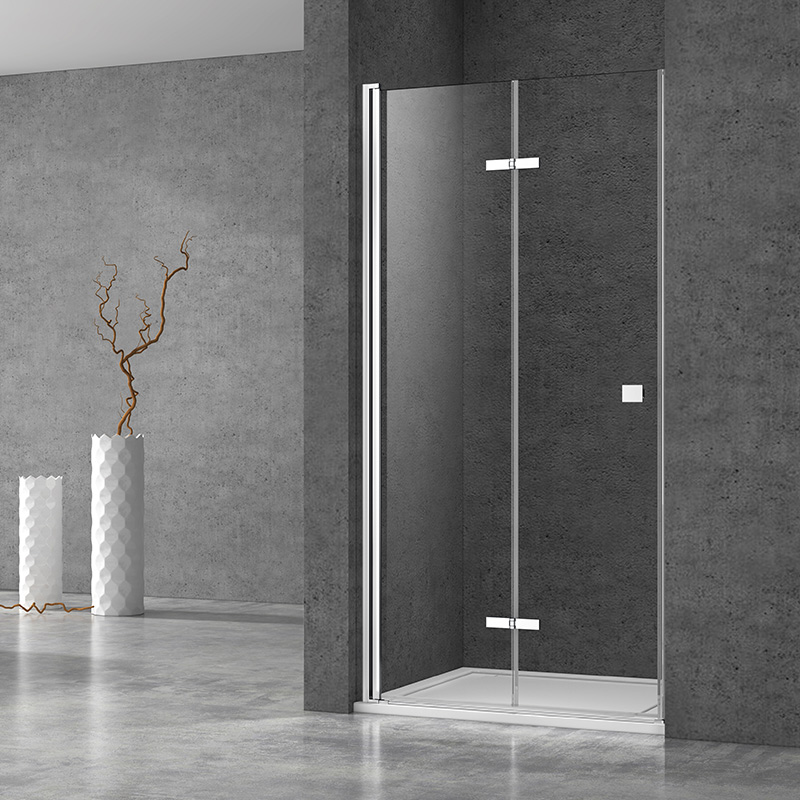
1. Understanding the Tropical Threat: Corrosion Triggers in SEA
Before discussing materials, you must understand what your products are up against. Southeast Asia presents a “perfect storm” of corrosive factors:
- High Humidity: Year-round humidity levels often exceed 80%. Moisture is a catalyst for oxidation.
- Salt-Laden Air: For coastal cities like Bali, Phuket, or Da Nang, salt spray is constant. Salt crystals absorb moisture, creating a persistent electrolyte layer on metal surfaces.
- Monsoon Season: Heavy rains and flooding can expose packaging and products to contaminants and standing water during storage or transit.
- Temperature Fluctuations: Daily heat causes metal to expand, potentially compromising protective coatings over time.
In this environment, standard metals don’t just age; they degrade rapidly.
2. The Hidden Weakness of Aluminum and 201 Stainless Steel
Many budget factories offer aluminum or 201-grade stainless steel to keep costs low. Here is why these materials are high-risk for your business in this region:
Aluminum Alloys
While lightweight and cheap, aluminum is chemically reactive. In tropical climates, aluminum forms a chalky white oxide layer. While this layer protects the metal initially, it is porous. In high-humidity environments, pitting corrosion begins, leading to surface blistering and structural weakness. Furthermore, aluminum is soft; hinges and rollers wear out quickly under heavy glass doors.
201 Stainless Steel (The “Fake” Upgrade)
201 stainless steel contains higher levels of manganese and nitrogen but significantly less chromium and nickel than 304. This makes it magnetic and much more susceptible to rust. In a tropical bathroom, 201 steel will develop surface rust spots within weeks of installation, especially around screw holes and welded areas. It is not suitable for wet environments.
3. Why 304 Stainless Steel is the Only Answer
304 Stainless Steel is often called “18/8″ stainless steel because it contains 18% Chromium and 8% Nickel. This specific composition creates a passive, invisible layer of chromium oxide on the surface.
Here is how 304 Stainless Steel performs specifically in Southeast Asian conditions:
| Feature | Performance in SEA Climate |
|---|---|
| Chromium Oxide Layer | Self-healing. If scratched, it instantly reforms when exposed to oxygen, preventing rust from spreading. |
| Nickel Content | Provides ductility and resistance to acidic cleaners commonly used in hotels and homes. |
| Salt Resistance | Highly resistant to pitting caused by salt spray. Ideal for island resorts in the Philippines or Indonesia. |
| Heat Resistance | Maintains structural integrity in non-air-conditioned bathrooms common in construction sites. |
Case Study: The Resort Renovation Nightmare
A distributor in Kuala Lumpur once switched to a cheaper 201 stainless steel supplier for a hotel project in Langkawi. Within 8 months, the shower door handles and hinges showed orange rust streaks on the tiles. The cost of replacing 120 shower enclosures was three times higher than the savings he made on the initial purchase. Don’t let this be your project.
4. Beyond the Metal: The Complete 304 Ecosystem
To ensure longevity, your shower enclosure shouldn’t just have 304 steel; it should be a 304 System.
- Rollers and Bearings: Many factories use plastic wheels with steel pins. Ensure the wheel housing and the ball bearings inside are 304 grade. Otherwise, the pin will snap due to internal rust.
- Screws and Fasteners: Never accept zinc-plated screws. They will rust and stain the glass and tiles. Insist on 304 stainless steel screws.
- Wall Anchors: Plastic anchors are fine, but the screws holding them must be 304.
5. How to Verify You Are Getting Real 304 Steel
Factories can say anything. As an importer, you need to verify. Here are three quick checks you can request or perform:
- The Magnet Test: 304 stainless steel is generally non-magnetic (or only slightly magnetic after cold working). If a magnet sticks firmly to the profiles or hinges, it is likely 201 or iron.
- The Salt Spray Test (ASTM B117): Request a report. For Southeast Asia, we recommend a minimum of 96 hours of neutral salt spray testing without red rust formation. For coastal projects, demand 200+ hours.
- The Chemical Analysis Report: Ask for the Mill Test Certificate (MTC). Check the chemical composition table. Ensure Chromium is above 18% and Nickel is above 8%.
6. Cost vs. Value: The Long-Term ROI
Yes, 304 stainless steel costs approximately 15–25% more than aluminum or 201 steel. However, consider the Return on Investment (ROI):
- Reduced Warranty Claims: Fewer complaints about rust mean lower after-sales costs.
- Brand Reputation: Your brand becomes known for quality and durability in a market where “cheap” often means “broken.”
- Higher Resale Value: Contractors and developers will pay a premium for products that won’t fail during their defect liability period.
Conclusion: Don’t Gamble with the Climate
In Southeast Asia, the bathroom is the most punishing room in any building. By specifying 304 Stainless Steel for your shower enclosures, you are not just buying a product; you are buying peace of mind.
At Zhongshan Weichen Sanitary Ware Co., Ltd., all our frameless and semi-frameless systems come standard with 304 stainless steel hardware, tested rigorously in our internal facilities to withstand the harshest tropical conditions.
Post time: Jun-03-2026