


Installing a shower enclosure for the first time can be a transformative upgrade for any residential project. Whether you are a property developer fitting out a new high-rise condominium, an interior designer working on a modern renovation, or a homeowner striving for a sleek bathroom, the shower enclosure is a focal point.
However, behind its minimalist glass aesthetics lies a complex engineering puzzle. A single oversight during the planning or installation phase can lead to persistent leaks, shattered glass, or a bathroom that feels cramped and dysfunctional.
If you are stepping into the shower enclosure market for the first time—especially when dealing with tight spaces and seeking long-term water management—here is the ultimate blueprint on what to look for, what mistakes to avoid, and why the right choices make all the difference.
1. Space Optimization: Navigating Tight Apartment Layouts
In modern urban developments, particularly in bustling metro areas like Bangkok, Tokyo, or London, apartment sizes are shrinking. The bathroom is often the smallest room in the unit, making spatial efficiency your top priority.
When space is at a premium, traditional swing doors are your worst enemy. They require a wide clearance radius, meaning they can strike the vanity, the toilet, or bathroom entry doors.
The Solutions for Small Spaces:
-
Sliding Shower Enclosures: By utilizing heavy-duty rollers and tracking systems, sliding doors operate entirely within the perimeter of the shower area, leaving the rest of the bathroom free.
-
Bi-fold or Pivot Doors: If you prefer a pivot style, look for hinges that offset the pivot point inward, reducing the external door swing.
-
Corner Formats (Neo-Angle and Quadrant): Quadrant (curved) or Neo-Angle (diamond-shaped) enclosures cut off the sharp corner that sticks out into the bathroom walkway, drastically improving foot traffic flow in small apartments.
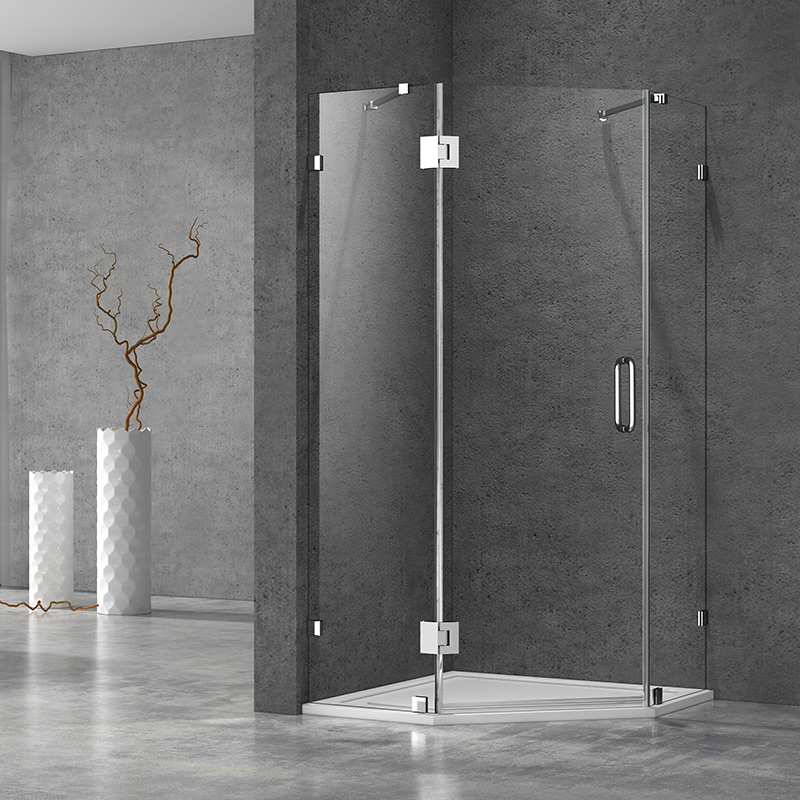
2. The Golden Rule of Leak Prevention: Why You Should Install a Shower Tray
There is nothing more detrimental to a building’s reputation or a homeowner’s peace of mind than a recurring bathroom leak. Water damage can ruin expensive drywall, breed mold, and even seep into the apartment below, leading to costly liability issues.
While a tiled, curbless “wet room” floor looks incredibly chic in design magazines, it requires flawless sub-floor slope engineering and expensive waterproofing membranes. If the contractor miscalculates the slope by even 1°, water will pool and breach the glass barrier.
Why We Strongly Recommend a Shower Tray (Shower Base):
For first-time buyers and major residential projects, pairing your glass enclosure with a dedicated shower tray is the smartest decision you can make.
-
Pre-Engineered Drainage Slope: High-quality shower trays (whether made of acrylic, stone resin, or composite materials) come with a built-in, precision-engineered slope toward the waste hole. You do not have to rely on the tiler’s manual labor to get the drainage angle right.
-
The Tiling Upstand (Flange) Advantage: Modern shower trays feature raised perimeter lips or upstands. The wall tiles sit over this lip. This creates a physical, overlapping shingle effect that makes it structurally impossible for water to seep behind the wall.
-
Faster Installation, Lower Labor Cost: Installing a shower tray takes a fraction of the time required to lay waterproof membranes and slope tile. For multi-unit apartment projects, this saves massive amounts of construction time.
3. Crucial Pitfalls to Avoid During First-Time Installation
To ensure your shower enclosure stands the test of time, look out for these hidden traps during your project planning phase:
Pitfall #1: Measuring Before the Walls are Tiled
This is the number one mistake in the construction industry. Never measure for a shower enclosure on raw, unfinished drywall or concrete. The thickness of the tile adhesive and the tiles themselves can reduce the opening width by 10mm to 30mm. Always take your final measurements after the tiling is completely finished.
Pitfall #2: Ignoring Out-of-Plumb Walls
In a perfect world, all walls are perfectly vertical at a 90° angle. In reality, construction walls are frequently skewed or “out-of-plumb.” If your wall is tilted and you buy a cheap glass panel with no adjustment capability, you will end up with massive gaps. Ensure your supplier provides adjustable wall profiles (aluminum channels that allow 15mm to 20mm of tolerance) to absorb these structural imperfections.
Pitfall #3: Forgetting Hardware and Structural Support
Glass is heavy. A standard 8mm or 10mm tempered glass panel weighs a significant amount per square meter.
-
The Trap: Fixing heavy glass hinges directly into weak hollow drywall.
-
The Fix: Ensure the architectural plans specify structural wooden blocking or metal studs behind the wall tiles where the hinges and wall profiles will be anchored.
4. Specifying the Right Glass and Hardware
When ordering from a manufacturer, you need to understand the specifications that balance safety with premium feel.
Glass Safety and Treatment
Always demand certified tempered safety glass (such as CE, SGCC, or AS/NZS certifications). For premium projects, look for Easy-Clean (EnduroShield/Hydrophobic) coatings. This factory-applied treat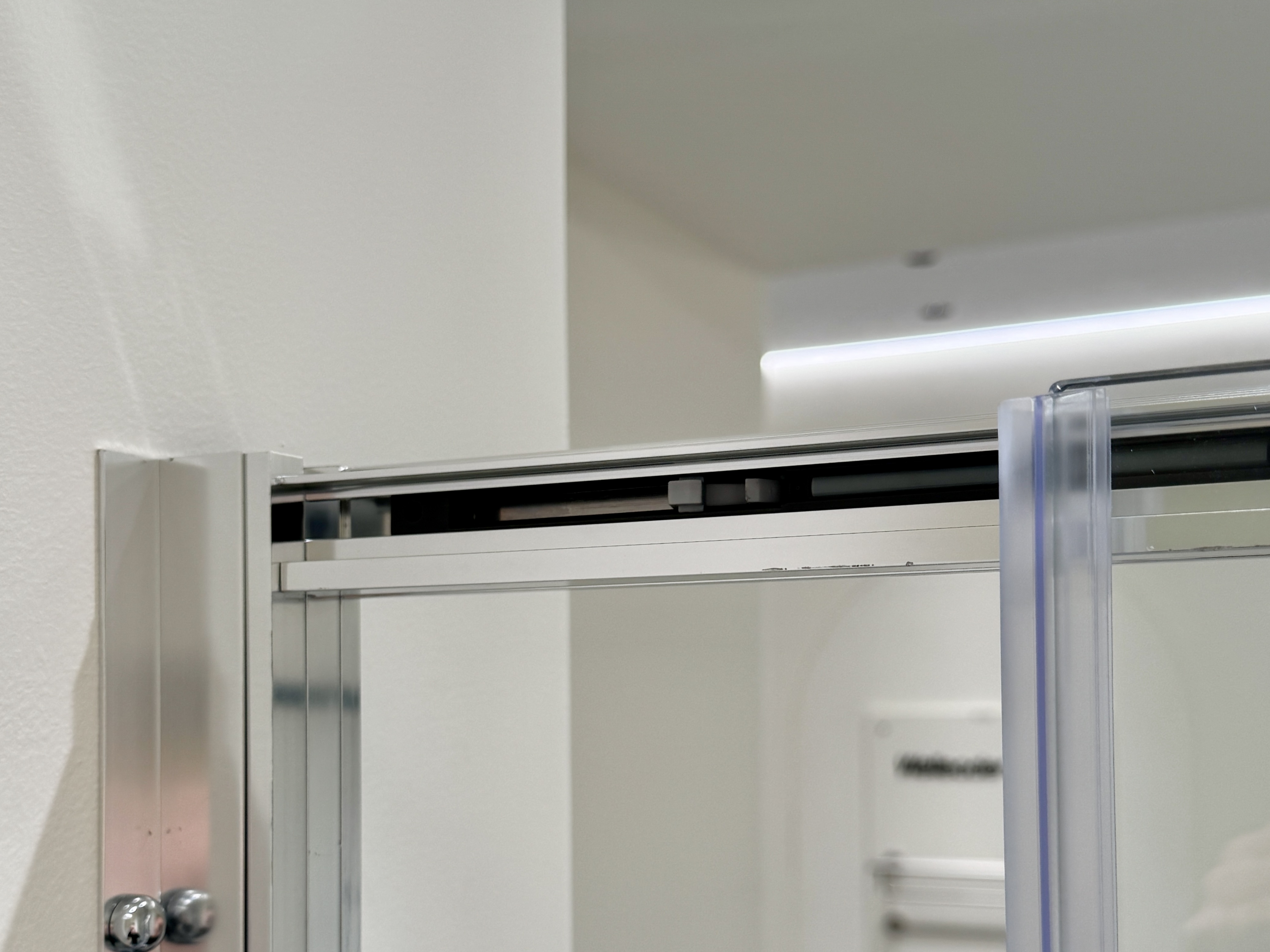 ment repels water and soap scum, keeping the glass crystal clear with minimal maintenance—a huge selling point for apartment renters and buyers.
Hardware Material Matters
In humid bathroom environments, cheap hardware corrodes within months.
-
SS304 (Stainless Steel 304) or Solid Brass should be your baseline for hinges, rollers, and handles.
-
Ensure the rollers on sliding doors feature enclosed, waterproof bearings to guarantee smooth, silent operation for years to come.
Conclusion: Partner with a Supply Chain Expert
First-time shower enclosure installation doesn’t have to be overwhelming. By selecting space-saving configurations, prioritizing high-quality hardware with out-of-plumb adjustments, and utilizing a reliable shower tray system, you can eliminate 99% of future maintenance complaints.
As a dedicated manufacturer based in the hardware hub of Zhongshan, China, we specialize in helping international contractors, developers, and brands solve these exact structural challenges. We don’t just export products—we provide full OEM/ODM solutions, offering custom CAD blueprint technical support, flexible sizing for tight apartments, and certified hardware configurations tailored to your project’s strict budget and design standards.
Are you managing an upcoming residential or hospitality project? Contact us today to receive our comprehensive engineering catalog and see how our tailored OEM/ODM shower solutions can streamline your supply chain!
Post time: May-25-2026