


A glass shower enclosure can transform an ordinary bathroom into a modern, elegant space. It makes the room feel larger, allows natural light to flow freely, and creates the clean, luxurious look that many homeowners want. But here’s something most people overlook: the secret to a beautiful glass shower enclosure isn’t just the glass itself. It’s the combination of glass quality, hardware, proper installation, and smart design.
If you’re planning a bathroom renovation or choosing a shower enclosure for a new home, understanding these details can help you avoid expensive mistakes and enjoy a shower space that looks great for years.
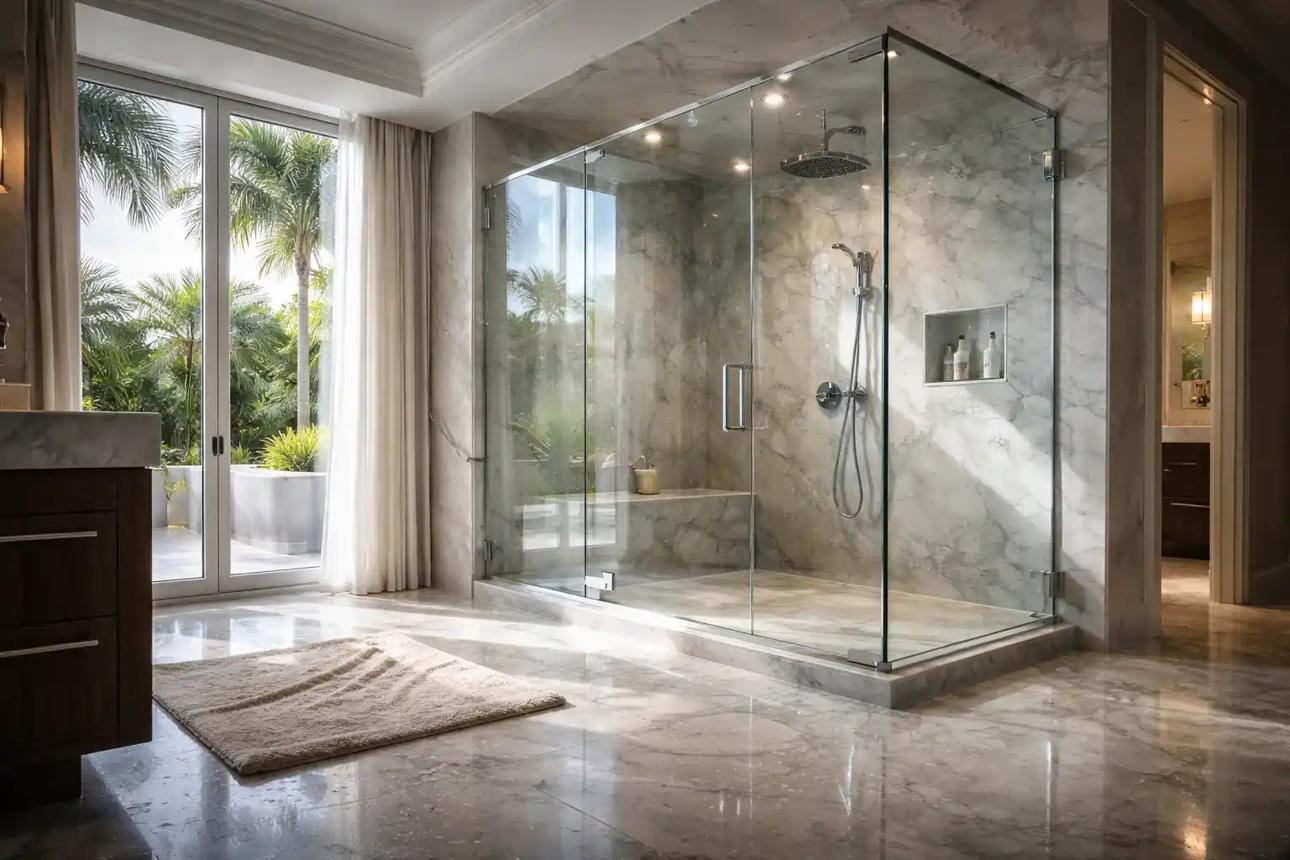
1 The Glass Thickness Isn’t the Whole Story
One of the first things homeowners notice when shopping for a glass shower enclosure is the glass thickness. Common options include 3/8-inch and 1/2-inch tempered glass, both widely used in modern shower designs.
Thicker glass can create a more substantial appearance and may provide a more solid feel, depending on the enclosure design. However, thicker glass isn’t automatically the best choice for every bathroom.
The right specification depends on several factors:
- •Panel size: Larger glass panels may require different structural considerations.
- •Installation method: Frameless, semi-frameless, and framed enclosures have different support requirements.
- •Hardware compatibility: Hinges, brackets, and support bars must be suitable for the selected glass.
- •Safety standards: Tempered safety glass should meet the applicable building codes and safety requirements in the destination market.
The real secret? Choose glass thickness based on the complete enclosure system rather than assuming that thicker always means better.
2 Hardware Can Make or Break Your Shower Experience
Imagine installing a beautiful glass enclosure only to find that the door sags, the handle feels loose, or the hinges become difficult to operate.
These problems often have less to do with the glass and more to do with hardware quality, installation accuracy, or compatibility.
Hinges, handles, brackets, rollers, and support bars all play important roles in the enclosure’s performance. High-quality hardware should be appropriate for the application, resistant to corrosion in a humid bathroom environment, and designed to work with the specified glass dimensions and weight.
When comparing shower enclosures, look beyond the finish. Ask about the hardware material, surface treatment, load capacity, and available replacement parts.
A premium-looking enclosure needs reliable hardware behind the scenes.
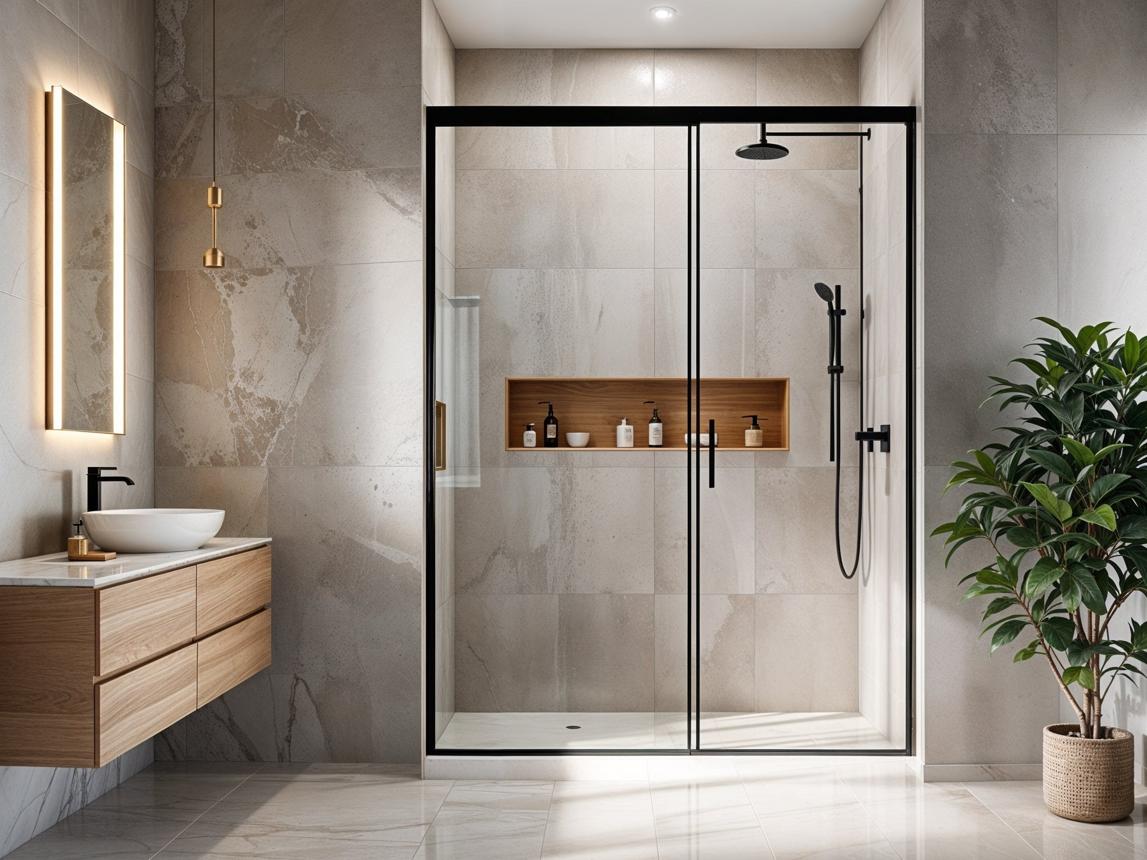
3 Frameless Doesn’t Always Mean Better
Frameless glass shower enclosures are popular for their minimalist appearance. With fewer visible metal profiles, they create an open, contemporary look that works particularly well in modern bathrooms.
But there is a trade-off.
Frameless systems typically depend more heavily on suitable glass specifications, precise measurements, properly selected hardware, and professional installation. They may also cost more than framed alternatives.
Framed and semi-frameless enclosures, on the other hand, can offer practical advantages, including additional structural support and a wider range of design options.
4 The Right Door Opening Can Save More Space Than You Think
Here’s another detail homeowners often discover too late: the shower door can affect the entire bathroom layout.
A hinged door that swings outward may interfere with a vanity, toilet, towel warmer, or nearby wall. In a compact bathroom, this can make everyday use uncomfortable.
Before choosing an enclosure, consider the available clearance and how people move through the room. Sliding shower doors can be useful when swing space is limited. Pivot or hinged doors may work well in bathrooms with sufficient clearance.
5 Water Leakage Often Starts Before the First Shower
A new glass shower enclosure may look perfect on installation day, but poor planning can lead to water escaping onto the bathroom floor.
To reduce the risk:
- ✔ Check that the floor and shower tray are properly designed for drainage.
- ✔ Use the seals and gaskets specified for the enclosure.
- ✔ Confirm that the glass panels and door are aligned correctly.
- ✔ Follow the manufacturer’s installation instructions.
6 Easy-Clean Glass Can Reduce Daily Maintenance
Some shower enclosures feature hydrophobic or easy-clean coatings that help water droplets run off the surface more readily. However, easy-clean glass is not maintenance-free glass.
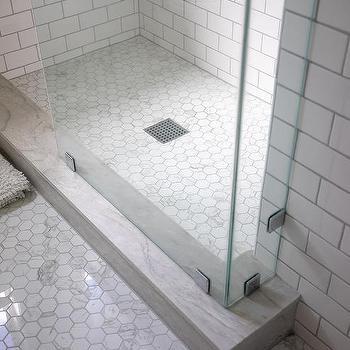
7 Small Design Details Create a More Expensive Look
Consider coordinating the shower enclosure’s hardware finish with the faucets, shower system, towel bars, and other bathroom accessories. Popular choices include chrome, matte black, brushed gold, and brushed nickel.
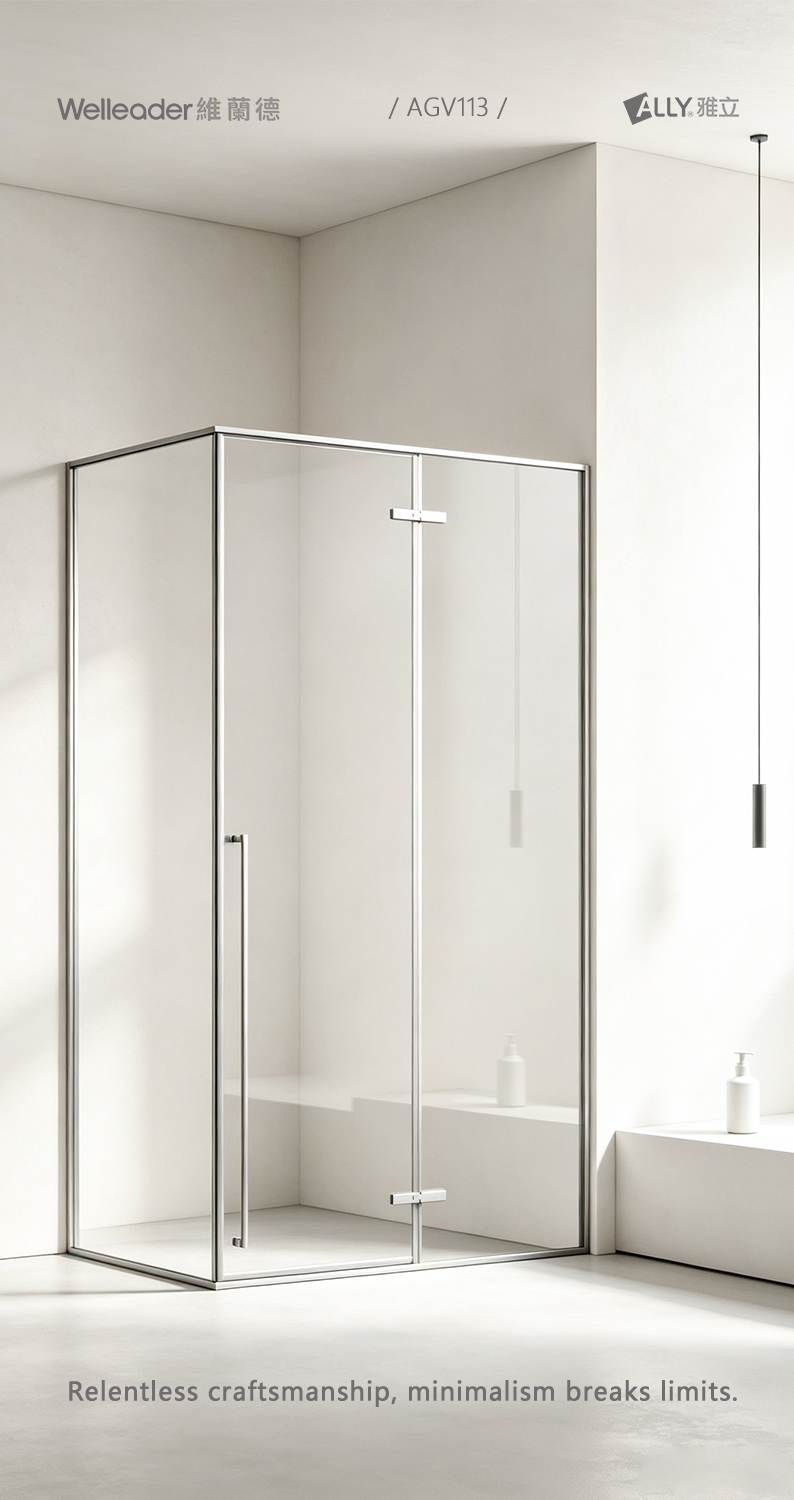
8 The Best Shower Enclosure Is Designed Around Your Bathroom
Before making a final decision, consider the following questions:
- How much space is available for the enclosure?
- Which opening style best suits the layout?
- What glass thickness and safety specifications are appropriate?
- Which hardware finish matches the bathroom?
- Are replacement seals and hardware readily available?
- What maintenance will be required over time?
- Does the proposed design comply with the applicable local requirements?
9 Don’t Overlook the Manufacturer Behind the Product
A shower enclosure is more than a collection of glass panels and metal fittings. Its quality also depends on manufacturing consistency, dimensional accuracy, finishing standards, packaging, and quality control.
Final Thoughts: The Secret Is in the Details
It’s that long-term satisfaction comes from the entire system working together—not simply from choosing an attractive piece of glass.
Looking for a glass shower enclosure for your next bathroom project? Explore different configurations, glass specifications, hardware finishes, and customization options to find a solution that fits your space and requirements.
Post time: Oct-28-2026