


A shower enclosure is more than a way to keep water inside the shower area. The right enclosure can improve the functionality of a bathroom, create a more open feeling, and complement the overall interior design.
With so many options available today, choosing the right shower enclosure can be difficult. Should you choose a frameless shower enclosure, a framed design, a sliding door, or a walk-in enclosure? What type of glass should you use? And which option works best for a small bathroom?
This guide explains the key factors you should consider before choosing a shower enclosure.
What Is a Shower Enclosure?
A shower enclosure is a dedicated shower space separated from the rest of the bathroom using glass panels, doors, frames, or a combination of these components.
Compared with traditional shower curtains, a glass shower enclosure provides a more structured and modern solution. It can help separate wet and dry areas while allowing natural or artificial light to move through the bathroom.
Modern shower enclosures are available in many configurations, including:
- Frameless shower enclosures
- Semi-frameless shower enclosures
- Framed shower enclosures
- Sliding shower enclosures
- Hinged shower enclosures
- Walk-in shower enclosures
- Corner shower enclosures
- Custom shower enclosures
The best choice depends on the bathroom layout, available space, design requirements, and budget.
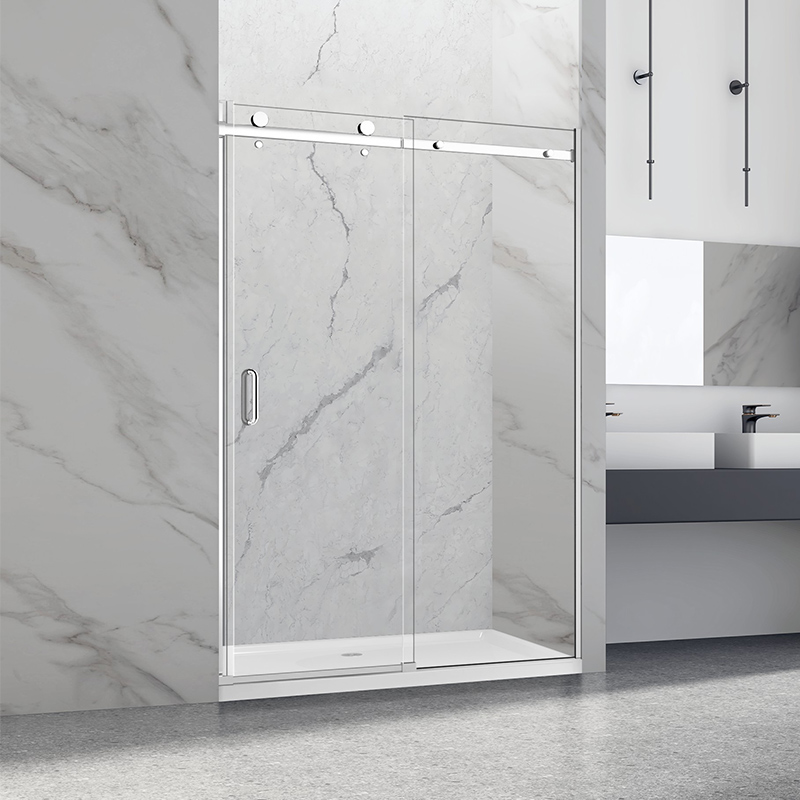
What Are the Main Types of Shower Enclosures?
1. Frameless Shower Enclosure
A frameless shower enclosure uses glass panels with minimal visible metal framing. The glass is usually supported by hardware such as hinges, brackets and handles.
The biggest advantage of a frameless design is its clean and open appearance.
Because there are fewer visible frames and profiles, the bathroom can feel more spacious and visually connected. This makes frameless glass shower enclosures particularly suitable for modern and minimalist bathroom designs.
A frameless shower enclosure is a good option when you want:
- ✓A modern appearance
- ✓A minimalist bathroom
- ✓More visual openness
- ✓Easy access to the glass surface
- ✓Flexible interior design
Frameless designs are also increasingly associated with contemporary bathroom renovations and premium residential projects. Recent bathroom design coverage continues to highlight frameless glass as a popular way to make smaller bathrooms feel more visually open.
2. Semi-Frameless Shower Enclosure
A semi-frameless shower enclosure combines glass panels with selected metal framing.
Compared with a fully frameless design, semi-frameless systems can provide additional structural support while maintaining a relatively clean appearance.
This makes them suitable for residential projects, apartments, hotels and other applications where appearance and practicality both matter.
3. Framed Shower Enclosure
Framed shower enclosures use aluminum or other metal profiles around the glass panels.
The frame provides structural support and allows manufacturers to offer a wide variety of configurations.
Framed systems can be a practical choice when:
- ✓Budget is an important consideration
- ✓A stronger frame structure is required
- ✓The project requires specific profiles
- ✓A traditional bathroom style is preferred
4. Sliding Shower Enclosure
Sliding shower enclosures are particularly useful when bathroom space is limited.
Instead of opening outward, the shower door moves along a track. This means you do not need to reserve additional floor space for a swinging door.
Sliding shower enclosures are often suitable for:
- ✓Small bathrooms
- ✓Apartments
- ✓Guest bathrooms
- ✓Corner shower areas
- ✓Space-efficient bathroom layouts
If the bathroom has limited clearance around the shower entrance, a sliding system can be a practical solution.
5. Walk-In Shower Enclosure
A walk-in shower enclosure generally uses one or more fixed glass panels with an open entrance.
This creates a spacious and minimalist appearance and works especially well in larger bathrooms.
Walk-in showers are also increasingly associated with spa-inspired bathroom designs, where larger shower spaces, built-in seating and storage niches are used to create a more comfortable experience.
Frameless vs. Framed Shower Enclosures: Which Is Better?
There is no universal answer. The right choice depends on the project.
| Feature | Frameless | Framed |
|---|---|---|
| Appearance | Minimalist | Traditional / structured |
| Visible metal | Minimal | More visible |
| Design | Modern | Versatile |
| Visual openness | Excellent | Good |
| Customization | High | High |
| Budget | Generally higher | Generally more economical |
If your priority is a premium minimalist appearance, a frameless shower enclosure may be the better choice.
If your priority is structural support, cost efficiency or a traditional design, a framed shower enclosure may be more appropriate.
Which Shower Enclosure Is Best for a Small Bathroom?
For a small bathroom, the most important consideration is not simply the size of the shower enclosure. You also need to consider how the door opens and how people move through the bathroom.
Sliding Doors
Sliding doors are a popular choice because they do not require outward door clearance.
Corner Enclosures
A corner shower enclosure can make efficient use of an unused bathroom corner.
Frameless Glass
Clear frameless glass can reduce visual barriers and make the room feel more open.
Walk-In Designs
A compact walk-in configuration may also work when the bathroom layout provides enough space for effective water control.
When planning a small bathroom, always consider the positions of the toilet, vanity, shower and bathroom door before selecting the enclosure.
How to Choose the Right Shower Glass
Glass is one of the most important components of a shower enclosure.
For shower applications, tempered safety glass is commonly used because it is designed for safety and durability.
Popular glass options include:
Clear Glass
Clear glass is one of the most versatile choices. It allows the bathroom design behind the enclosure to remain visible and helps maintain a bright, open appearance.
Frosted Glass
Frosted glass provides additional privacy and can create a softer visual effect.
Patterned Glass
Patterned glass can combine privacy with decorative appeal.
Tinted Glass
Tinted glass can be used to create a distinctive appearance and coordinate with specific interior styles.
The final glass specification should be selected according to the enclosure structure, local safety requirements and project specifications.
What Glass Thickness Should You Choose?
Common shower enclosure glass thicknesses include 6 mm, 8 mm and 10 mm, although the appropriate specification depends on the enclosure design, dimensions, hardware and installation requirements.
Thicker glass does not automatically mean that an enclosure is better.
The correct glass specification should consider:
- Panel size
- Door configuration
- Hardware system
- Installation method
- Safety requirements
- Overall enclosure structure
For customized projects, it is better to confirm the glass specification with the manufacturer before production.
Don’t Forget the Shower Enclosure Hardware
Glass is only one part of a shower enclosure.
Hardware also has an important influence on performance and appearance.
Depending on the design, hardware can include:
- Shower door hinges
- Handles
- Rollers
- Brackets
- Aluminum profiles
- Door tracks
- Seals and gaskets
Hardware finishes can also change the overall appearance of the bathroom.
Popular finishes include:
For a modern bathroom, matte black hardware paired with clear glass can create a strong contemporary appearance.
For a more timeless design, chrome or brushed metal finishes may be preferred.
Custom Shower Enclosures for Different Projects
Not every bathroom has the same dimensions.
Standard shower enclosure sizes can work well for many residential bathrooms, but customized solutions are often necessary for renovation projects, hotels, apartments and high-end residential developments.
A custom shower enclosure may involve customization of:
- Width and height
- Glass configuration
- Door opening direction
- Sliding or hinged doors
- Glass type
- Glass thickness
- Hardware finish
- Aluminum profile
- Installation method
For manufacturers and distributors, customization can also help create product ranges for different markets.
How to Maintain a Glass Shower Enclosure
Regular maintenance can help keep a glass shower enclosure clean and attractive.
After using the shower, remove excess water from the glass with a squeegee or soft cloth.
Regular cleaning can help reduce:
- Soap residue
- Water stains
- Mineral deposits
- Dirt accumulation
For the hardware, use a suitable non-abrasive cleaner and avoid aggressive cleaning materials that could damage the surface finish.
If the bathroom has hard water, more frequent cleaning may be necessary.
Why Work With a Professional Shower Enclosure Manufacturer?
For homeowners, choosing the right design is important.
For distributors, contractors and developers, the manufacturer behind the product can be equally important.
A professional shower enclosure manufacturer should be able to provide:
Product Customization
Different markets and projects may require different dimensions, glass specifications and hardware configurations.
Stable Production
Consistent production processes can help maintain product quality across larger orders.
Quality Control
Glass, profiles, hardware, seals and packaging should all be checked before shipment.
OEM Support
For brands and distributors, OEM services can provide opportunities to develop products according to their own specifications and market requirements.
Export Experience
For international customers, packaging, container loading, documentation and shipping experience are also important considerations.
Final Thoughts
Choosing the right shower enclosure requires more than selecting a design that looks attractive.
You should consider the bathroom layout, available space, door configuration, glass type, hardware, maintenance requirements and overall project budget.
For modern bathrooms, frameless shower enclosures and walk-in shower enclosures offer a clean and open appearance. For smaller bathrooms, sliding shower enclosures and corner configurations can help make better use of limited space.
If you are a distributor, contractor, bathroom brand or project developer looking for a custom shower enclosure manufacturer, choosing a supplier with reliable production capabilities and OEM experience can make the entire project easier.
At Weichen Sanitary, we provide shower enclosure solutions for different bathroom projects and markets, including customized glass configurations, hardware options and OEM requirements.
Frequently Asked Questions
What is the best shower enclosure for a small bathroom?
Sliding and corner shower enclosures are often practical choices for small bathrooms because they can reduce the amount of space required for door movement.
Are frameless shower enclosures better?
Frameless shower enclosures offer a clean, minimalist appearance and can make a bathroom feel more visually open. However, framed and semi-frameless designs can also be suitable depending on the project requirements.
What type of glass is used for shower enclosures?
Tempered safety glass is commonly used for shower enclosures. Clear, frosted, patterned and tinted options can be selected depending on design and privacy requirements.
Can shower enclosures be customized?
Yes. Customization can include dimensions, glass configuration, door type, hardware and finishes, depending on the manufacturer’s capabilities.
How do I choose a shower enclosure manufacturer?
Consider product quality, customization capabilities, production capacity, quality control, packaging, OEM support and international shipping experience when evaluating a supplier.
Post time: Aug-24-2026